

Paystack acquired a fintech… and immediately began shutting down its core product.
Sounds counterintuitive, right?
Until you realize what Paystack was actually buying.
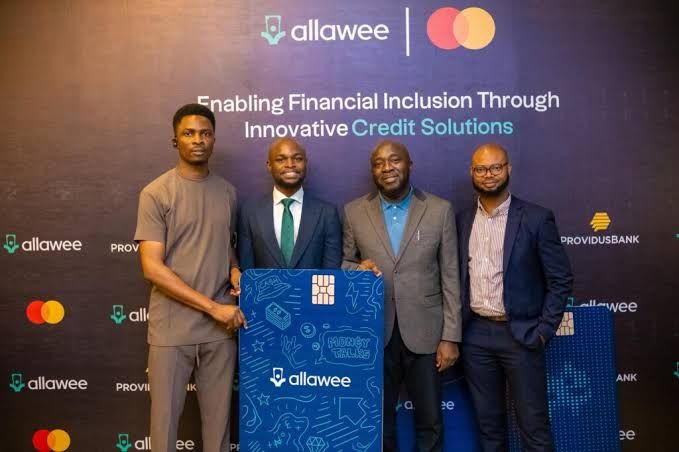
Allawee was a Nigerian fintech that pivoted from credit to building backend infrastructure that powered card issuance for heavyweights like PiggyVest, Carbon, and Nomba.
When Paystack acquired Allawee, they didn't keep the consumer or business accounts alive. They shut them down.
Why acquire a startup just to sunset its main product?
Because Paystack wasn't buying the brand, the logo, or the user interface.
They were buying the engine under the hood.
Behind Allawee’s app was critical financial plumbing:
* Card issuance and tokenization
* Real-time transaction authorization engines
* Multi-currency ledgers and spend controls
* Direct integrations into complex banking networks
Paystack faced a classic build-versus-buy decision: spend two years and millions of dollars building card infrastructure from scratch, or acquire the tech and the team that already solved the problem. They chose speed.
There is a powerful lesson here for founders.
Everyone wants to build the visible consumer app—the sleek UI, the flashy marketing campaign, the viral downloads. But often, the highest-value startups are the ones building the "boring" infrastructure underneath:
* Ledger systems
* Identity verification APIs
* Compliance tools
* Logistics routing algorithms
* Security and fraud detection rails
Allawee's brand name will fade, but the code its engineers wrote will now power transactions for millions of users across Africa through Paystack's ecosystem.
Don't just ask if your startup is well-known. Ask if you've built something so difficult, tedious, or complex that a major player would rather buy you than spend years trying to replicate it.
Sometimes your greatest value isn't your brand—it's the years of development time you can save someone else.
#Paystack #Fintech #Acquisitions #StartupStrategy #TechPlumbing #Entrepreneurship #BuildVsBuy #AfricanTech